PII Protection Checklist and Best Practices
Download this free PII protection checklist to learn how to enable secure, compliant sharing workflows to maintain the privacy of PII, meet compliance requirements, and improve collaboration.
Download Datasheet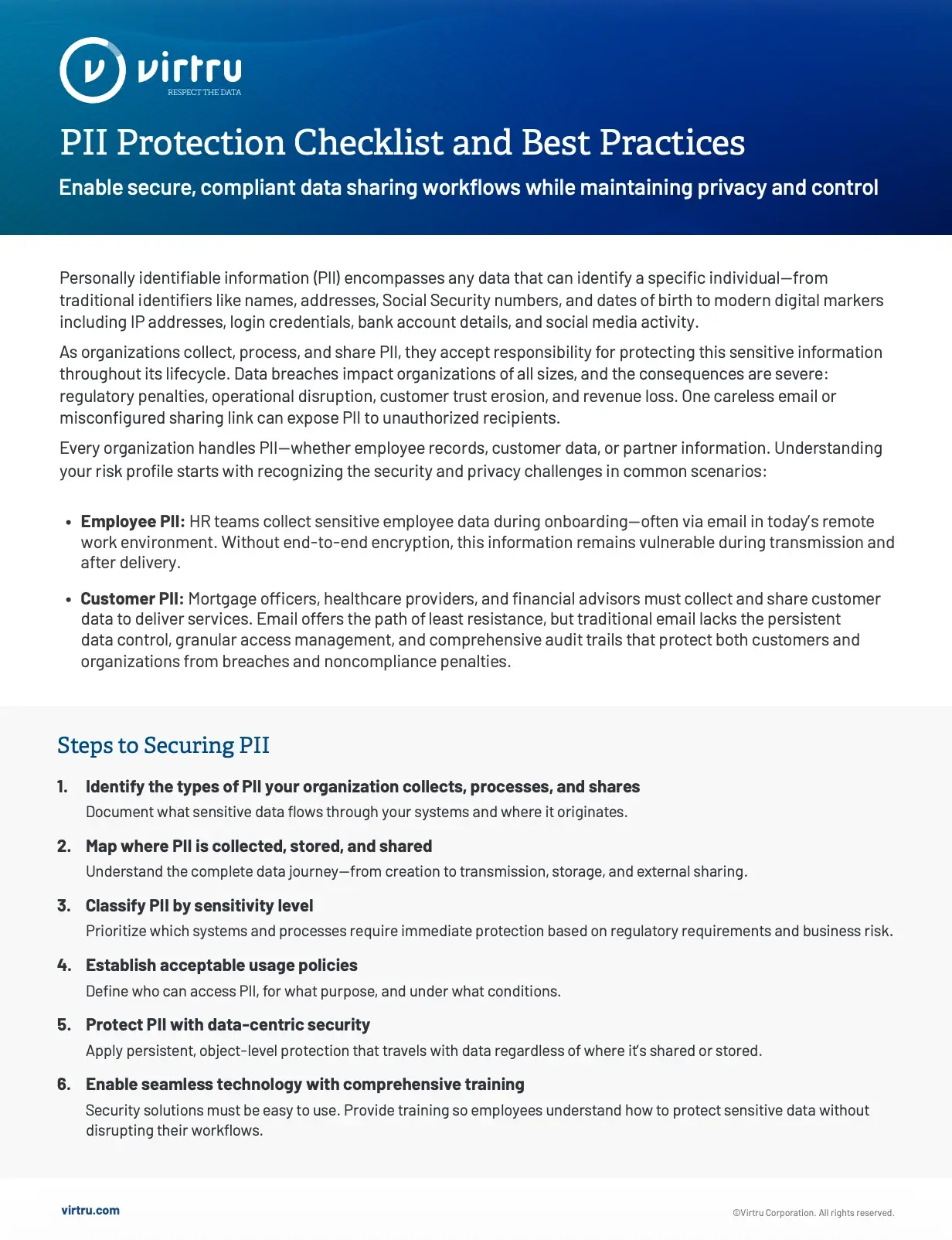
Personally identifiable information (PII) encompasses any data that can identify a specific individual—from traditional identifiers like names, addresses, Social Security numbers, and dates of birth to modern digital markers including IP addresses, login credentials, bank account details, and social media activity.
As organizations collect, process, and share PII, they accept responsibility for protecting this sensitive information throughout its lifecycle. Data breaches impact organizations of all sizes, and the consequences are severe: regulatory penalties, operational disruption, customer trust erosion, and revenue loss. One careless email or misconfigured sharing link can expose PII to unauthorized recipients.
Every organization handles PII—whether employee records, customer data, or partner information. Understanding your risk profile starts with recognizing the security and privacy challenges in common scenarios:
Employee PII: HR teams collect sensitive employee data during onboarding—often via email in today's remote work environment. Without end-to-end encryption, this information remains vulnerable during transmission and after delivery.
Customer PII: Mortgage officers, healthcare providers, and financial advisors must collect and share customer data to deliver services. Email offers the path of least resistance, but traditional email lacks the persistent data control, granular access management, and comprehensive audit trails that protect both customers and organizations from breaches and noncompliance penalties.
In this checklist, we identify some of the steps to securing PII and identifying the areas across its lifecycle where it must be protected to safeguard compliance.
Related Resources
Get expert insights on how to address your data protection challenges
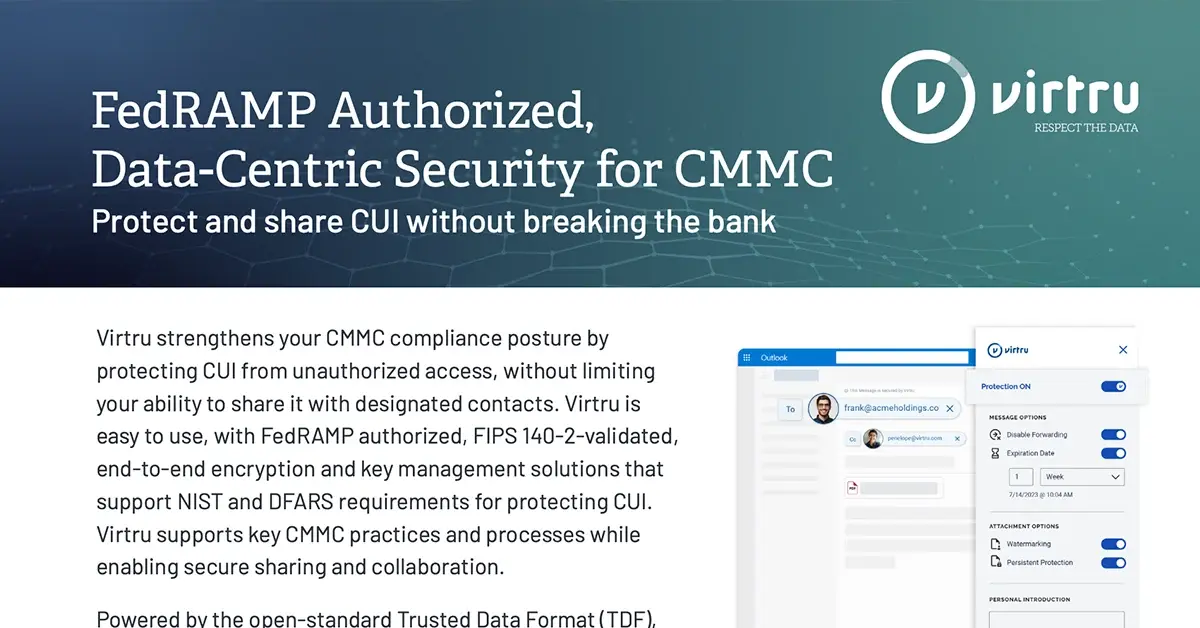
FedRAMP Authorized, Data-Centric Security for CMMC
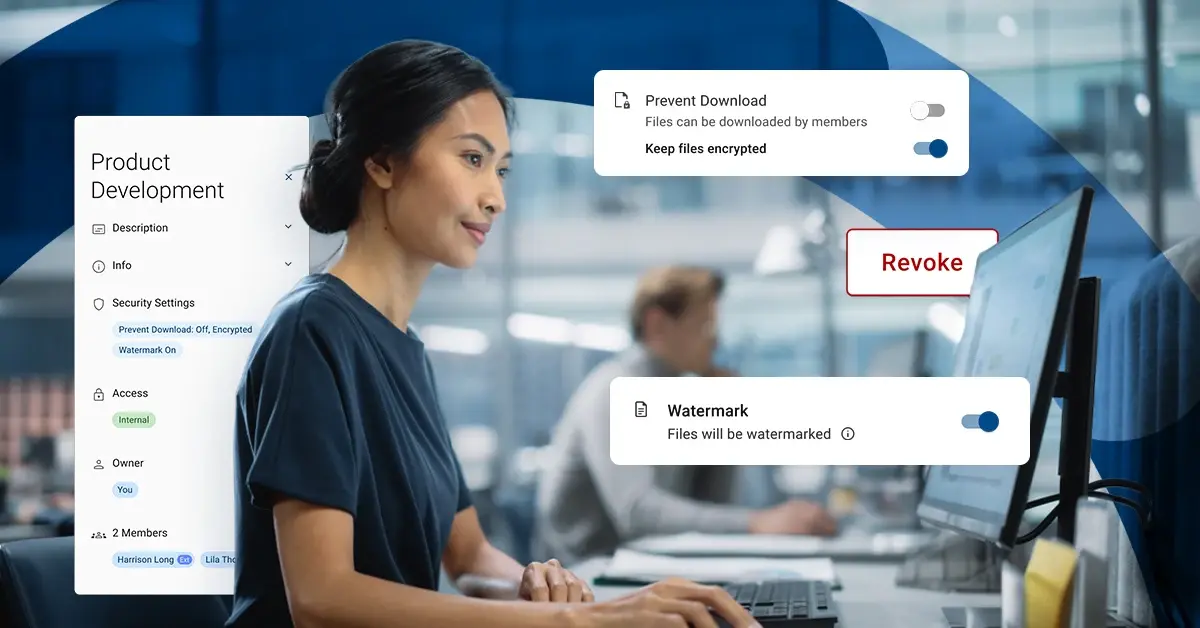
Virtru Collaborate: CMMC, HIPAA-Compliant File Storage and Sharing

Supporting CMMC Level 2 Certifications with Data-Centric Security
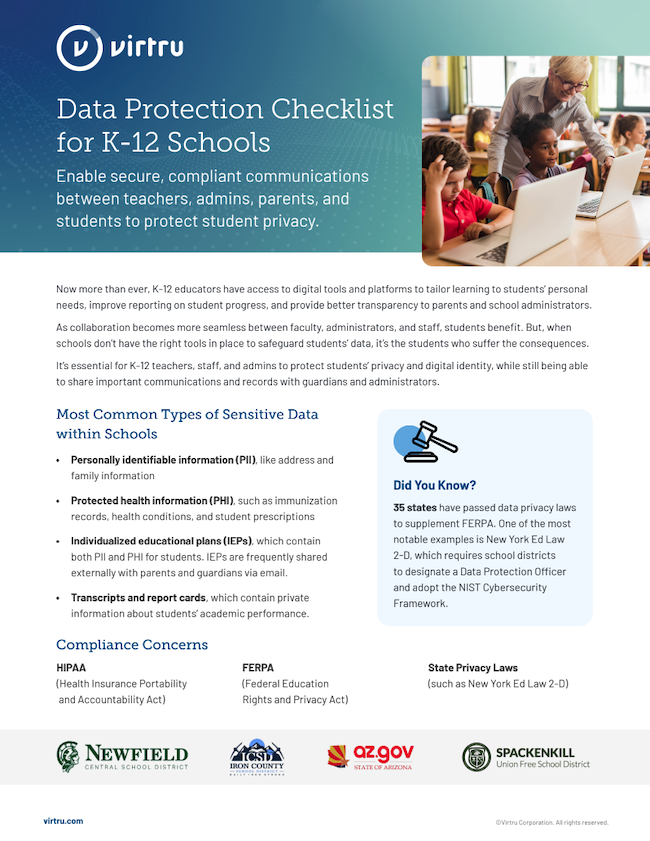
Data Protection Checklist for K-12 Schools

Virtru Secure Share for Customer Support Teams

Virtru Secure Share for Healthcare
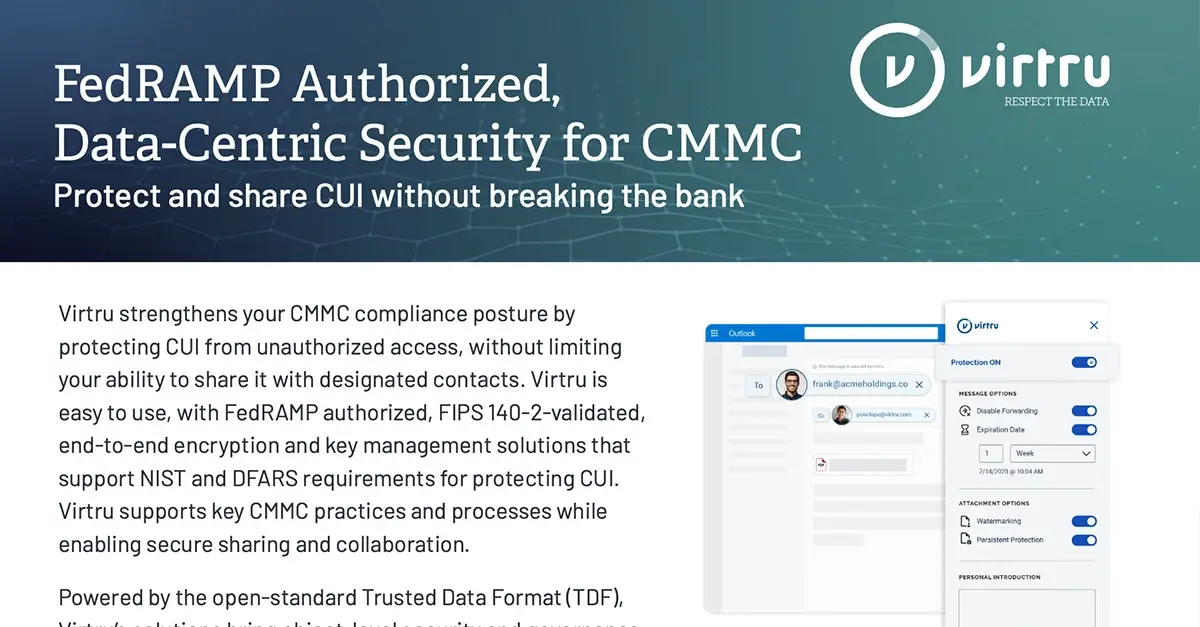
FedRAMP Authorized, Data-Centric Security for CMMC

Virtru Secure Share for Education

FTC Safeguards Rule Checklist

Secure Protected Health Information and Support HIPAA Compliance

Protect PHI and PII with Virtru to Meet European Data Privacy, Data Sovereignty, and Healthcare Regulatory Requirements